Why Proactive Facility Maintenance Matters During the Summer Months
How Summer Impacts Facility Performance
Across all types of commercial environments, summer changes how spaces are used. Offices, healthcare facilities, schools, and industrial sites all see increases in movement and activity. Employees, visitors, and customers come and go more frequently, and common areas rarely stay idle for long.
This added activity places pressure on entryways, restrooms, flooring, and shared spaces. Dirt and debris are tracked in more often, restrooms require more frequent attention, and floors begin to show wear earlier in the day. Without adjustments to cleaning routines, these areas can quickly fall behind expected standards.
Heat also plays a role in overall facility performance. Odors become more noticeable, waste breaks down faster, and high-use areas require closer monitoring to maintain a clean and professional environment.
Small Issues Can Quickly Become Bigger Problems
Most facility challenges do not appear all at once. They build gradually through small, often overlooked details. A space may not be serviced as frequently as needed, supplies may run lower than expected, or high-traffic areas may slowly fall out of alignment with demand.
Individually, these issues may seem minor. Together, they can create a noticeable decline in cleanliness and consistency. Overflowing trash, inconsistent flooring appearance, and overlooked touchpoints all contribute to a negative impression for employees, customers, and visitors.
Over time, this can impact satisfaction, productivity, and how a facility is perceived overall.
Review Cleaning Plans Before Peak Demand
One of the most effective ways to prepare for summer demand is to evaluate existing cleaning procedures before the season reaches its peak. This allows facility managers to identify areas that will experience increased usage and make adjustments proactively rather than reactively.
High-traffic entrances, restrooms, break areas, shared spaces, frequently touched surfaces, and flooring maintenance schedules should all be reviewed carefully. These are typically the areas that experience the most noticeable seasonal impact.
When adjustments are made early, facilities are better positioned to maintain consistent cleanliness even as demand increases.
Ensure Teams Have the Resources They Need
Preparing for summer does not always require expanding teams or increasing overall workload. In many cases, the most effective improvements come from better alignment between staffing schedules and actual building usage.
Adjusting shift timing, redistributing tasks, and improving coverage during peak activity hours can significantly improve efficiency. When cleaning efforts match real-world demand, teams are able to stay ahead of issues rather than constantly responding to them.
This approach creates a more stable workflow and helps maintain higher standards of cleanliness throughout the day.
The Role of Supplies and Communication
Inventory management becomes especially important during high-demand seasons. When essential cleaning products or equipment are not readily available, it can lead to delays, inefficiencies, and inconsistencies in service.
A proactive approach to supply planning ensures that teams have what they need before they need it, allowing operations to continue without interruption.
Just as important is communication. When teams understand seasonal priorities and expectations, they are better prepared to maintain consistent performance. Clear communication helps reduce confusion, improve accountability, and support smoother daily operations.
Focusing on What People Notice Most
While facility managers see the full scope of cleaning operations, occupants tend to focus on the details that directly affect their experience. Clean entrances, fresh restrooms, well-maintained floors, and sanitized touchpoints all contribute heavily to how a facility is perceived.
During summer months, these visible areas often require additional attention to maintain the same level of quality. Consistency in these spaces reinforces confidence and helps create a more positive overall environment.
How SJBS Approaches Seasonal Readiness
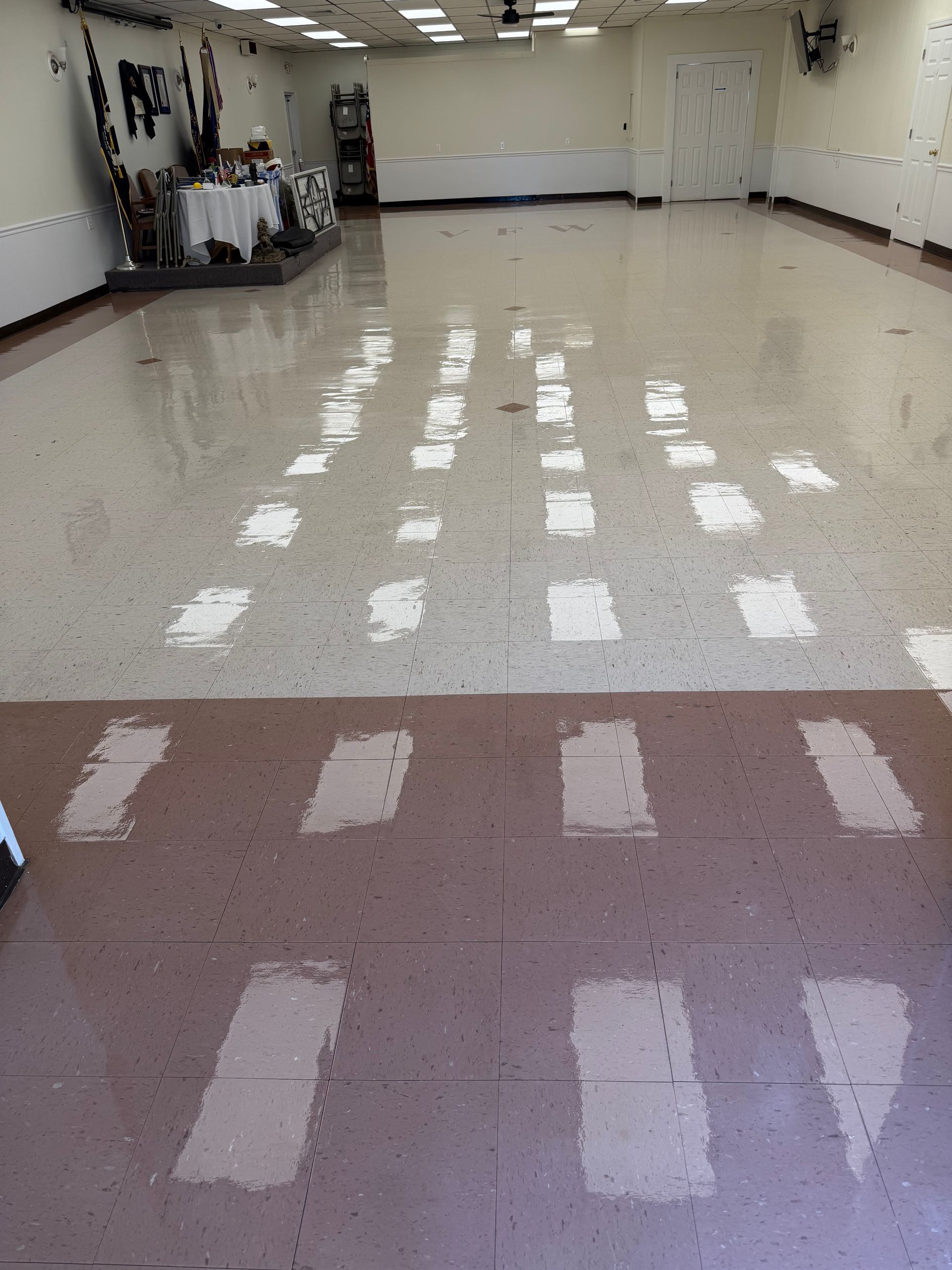
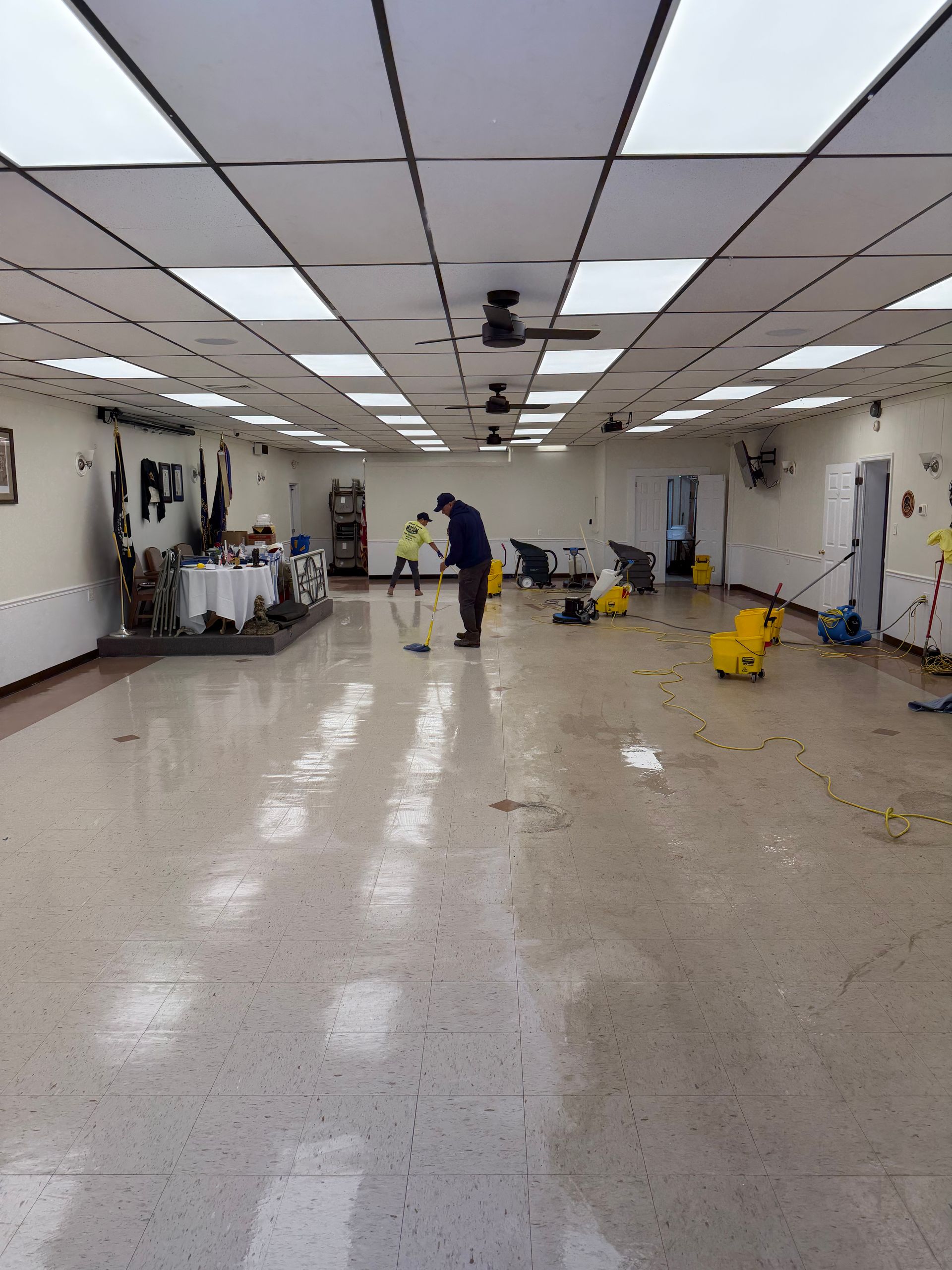
At South Jersey Building Services, seasonal planning is centered around preparation, consistency, and support. Each facility has unique usage patterns, and understanding those patterns early allows teams to adjust before challenges arise.
By evaluating pressure points, supporting staff with the right structure, and ensuring resources are in place ahead of time, SJBS helps maintain stable operations even during peak summer demand. The focus is always on preventing disruption rather than reacting to it.
Final Thought
Summer will always place additional pressure on commercial facilities, but how those challenges are handled depends on preparation, not reaction.
Facilities that take the time to review cleaning plans, adjust workflows, manage supplies effectively, and support their teams are far more likely to maintain consistent performance throughout the season. The strongest results come from anticipation, not correction, and that consistency is what ultimately defines a well-managed facility.
Contact us today to learn more about our services